Get Disability Remodeling Service
Disability Remodeling Service providers help property owners modify homes for accessibility, safety, and comfort through projects like ramps, bathroom upgrades, and doorway widening.
If you are considering remodeling projects to improve accessibility or accommodate specific needs, you are in the right place. Property owners in the area often explore remodeling services to enhance safety, functionality, and comfort within their homes or commercial spaces. Whether planning a single upgrade or a comprehensive renovation, comparing options from trusted local contractors can help ensure the work meets your practical requirements and personal preferences. Keep reading to discover how local service providers can assist with your remodeling goals.
Finding the right professionals for disability remodeling involves understanding the scope of work and assessing the local options available. Many property owners seek experienced contractors who can deliver thoughtful, practical solutions tailored to individual needs. Exploring local service providers can provide clarity and confidence as you evaluate different approaches, ensuring your project aligns with your accessibility and usability priorities. Continue browsing to learn more about connecting with qualified contractors in your area.
- Wheelchair Ramp Installation - needed when an accessible entryway is required to accommodate mobility devices.
- Bathroom Accessibility Remodeling - necessary for creating safe and functional bathrooms for individuals with mobility challenges.
- Home Elevator Installation - suitable when multiple floors need to be accessible for someone with limited mobility.
- Widening Doorways and Hallways - required to allow easy passage for wheelchairs or walkers throughout the home.
- Kitchen Modifications - essential for making cooking and food preparation areas accessible and user-friendly.
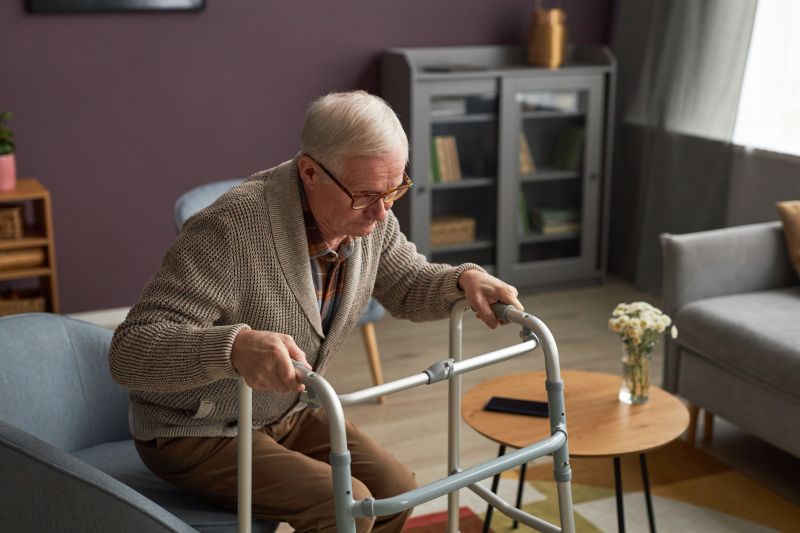
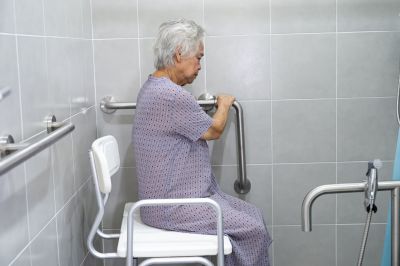
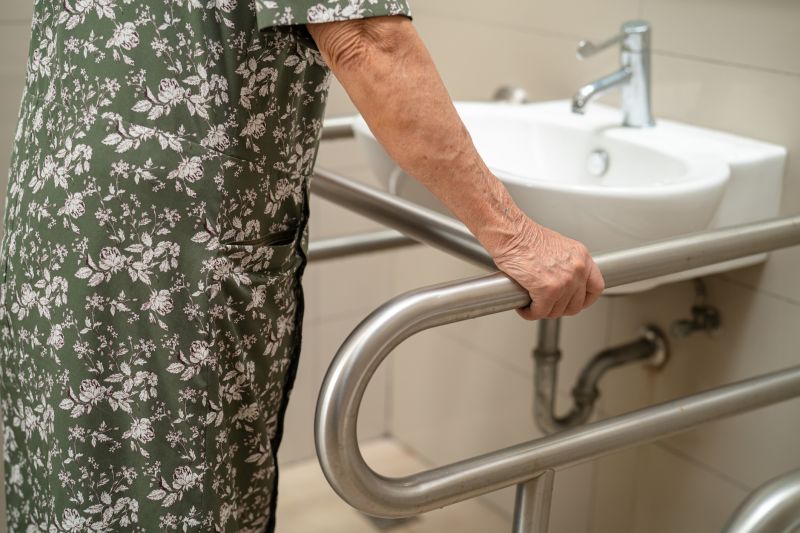
Disability remodeling services involve modifying existing homes or building new spaces to improve accessibility and safety for individuals with mobility challenges or other disabilities. These modifications can include installing ramps, widening doorways, adding grab bars, or adjusting bathroom layouts to make daily activities easier and safer. The goal is to create a living environment that accommodates specific needs, helping residents maintain independence and comfort within their homes.
These services address common problems faced by people with disabilities, such as difficulty navigating stairs, limited bathroom accessibility, or the inability to use standard fixtures comfortably. By making targeted adjustments, homeowners can reduce the risk of falls, eliminate barriers, and enhance overall usability of their living spaces. Disability remodeling can also be beneficial for seniors or anyone recovering from injury, offering practical solutions that improve quality of life and promote safety.
Typically, properties that utilize disability remodeling services include single-family homes, multi-family residences, and even some apartment complexes. These modifications are often applied to existing structures where accessibility issues have arisen over time or to prepare a home for future needs. Commercial properties, such as assisted living facilities or care homes, may also benefit from such services to ensure compliance with accessibility standards and to provide safe, comfortable environments for residents.
Homeowners who notice difficulties with mobility, experience challenges using bathrooms or kitchens, or want to prepare their home for aging in place may find disability remodeling services helpful. Local contractors experienced in these modifications can evaluate the property and recommend practical solutions tailored to individual needs. Connecting with qualified service providers can help ensure that the necessary adjustments are made efficiently, making homes safer and more accessible for all occupants.
The overview below groups typical Disability Remodeling Service projects into broad ranges so you can see how smaller, mid-sized, and larger jobs often compare in your area.
In many markets, a large share of routine jobs stays in the lower and middle ranges, while only a smaller percentage of projects moves into the highest bands when the work is more complex or site conditions are harder than average.
Minor Repairs - Typical costs for small modifications or repairs, such as grab bar installations or threshold adjustments, range from $250 to $600. Many routine jobs fall within this middle range, while some smaller projects may be completed at the lower end.
Mid-Range Remodels - More extensive modifications, like bathroom conversions or doorway widenings, usually cost between $1,000 and $3,500. These projects are common and often represent the bulk of local remodeling work for accessibility improvements.
Major Renovations - Larger, more complex projects such as full bathroom or kitchen remodels designed for accessibility can range from $4,000 to $10,000+. Fewer projects reach into this higher tier, which involves significant structural or design changes.
Full Home Adaptations - Complete home modifications, including multiple rooms or extensive structural work, typically start at $15,000 and can exceed $50,000. These larger projects are less frequent but necessary for comprehensive accessibility needs.
Actual totals will depend on details like access to the work area, the scope of the project, and the materials selected, so use these as general starting points rather than exact figures.
Bathroom Accessibility Remodels - local contractors can modify bathrooms with features like grab bars, walk-in showers, and lowered sinks to improve safety and independence.
Kitchen Adaptation Projects - local service providers can reconfigure kitchen layouts, install accessible countertops, and add easy-to-use appliances for greater usability.
Doorway and Hallway Widening - local pros can modify door frames and hallways to accommodate mobility aids such as wheelchairs and walkers.
Ramps and Threshold Transitions - local contractors can install ramps and smooth thresholds to facilitate wheelchair access and reduce tripping hazards.
Flooring and Surface Modifications - local service providers can replace or modify flooring to create smooth, slip-resistant surfaces suitable for mobility devices.
Home Entryway Improvements - local pros can enhance entryways with accessible ramps, wider doors, and lowered thresholds for easier access.
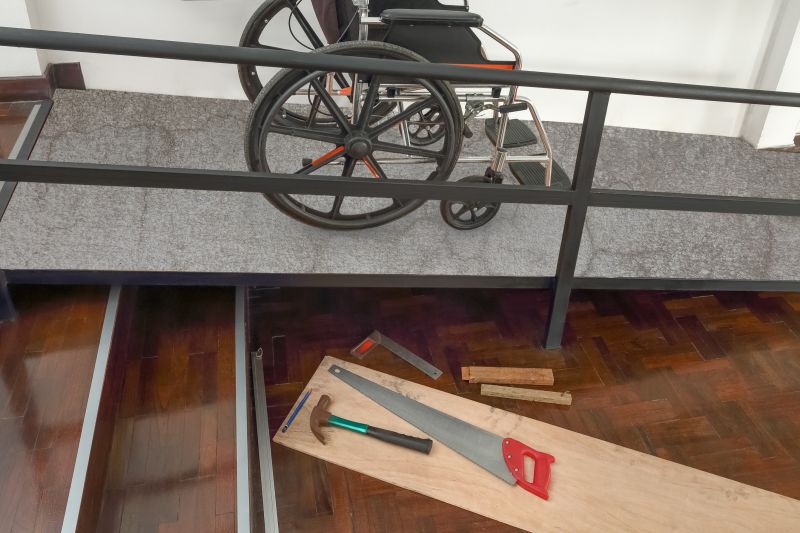
When evaluating service providers for disability remodeling projects, it’s important to consider their experience with similar types of work. Homeowners should look for local contractors who have a proven track record in completing projects that match their specific needs. This can include understanding the scope of modifications, familiarity with accessibility standards, and the ability to adapt solutions to unique home layouts. A contractor’s background in similar projects can provide confidence that they are equipped to handle the complexities involved and deliver results that meet expectations.
Clear, written expectations are essential when choosing a remodeling professional. Homeowners should seek out local service providers who communicate their scope of work, materials, and processes in a detailed manner. This helps ensure there is mutual understanding and reduces the likelihood of misunderstandings or surprises during the project. Well-documented expectations also serve as a reference point throughout the remodeling process, fostering transparency and accountability between the homeowner and the contractor.
Reputable references and good communication are key indicators of a reliable service provider. Local contractors with established reputations can often provide references from previous clients who had similar projects. Contacting these references can offer insights into the contractor’s professionalism, quality of work, and responsiveness. Additionally, effective communication-such as timely responses and openness to questions-helps ensure that the project progresses smoothly and that the homeowner’s needs and concerns are addressed throughout the remodeling process. It’s important to remember that the site’s role is to introduce homeowners to qualified local options, not to perform the work itself.
Property owners use Disability Remodeling Service services for practical projects around their homes and businesses. This guide focuses on everyday jobs and straightforward project options.
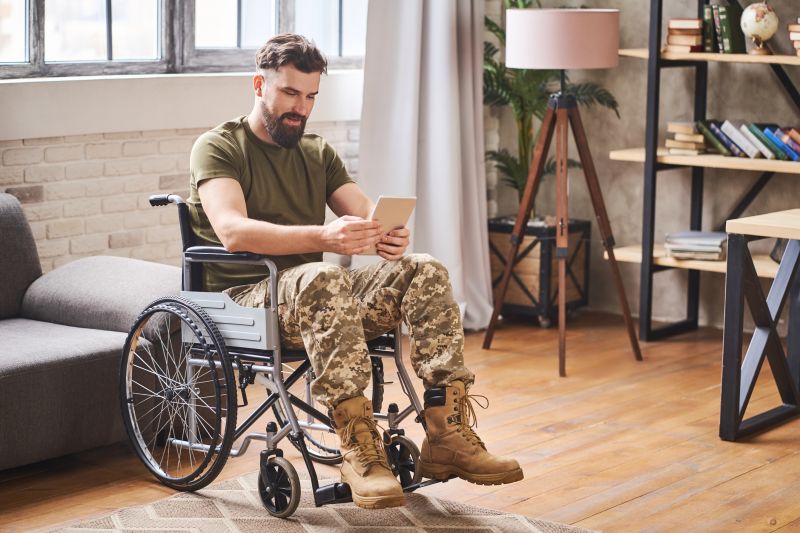
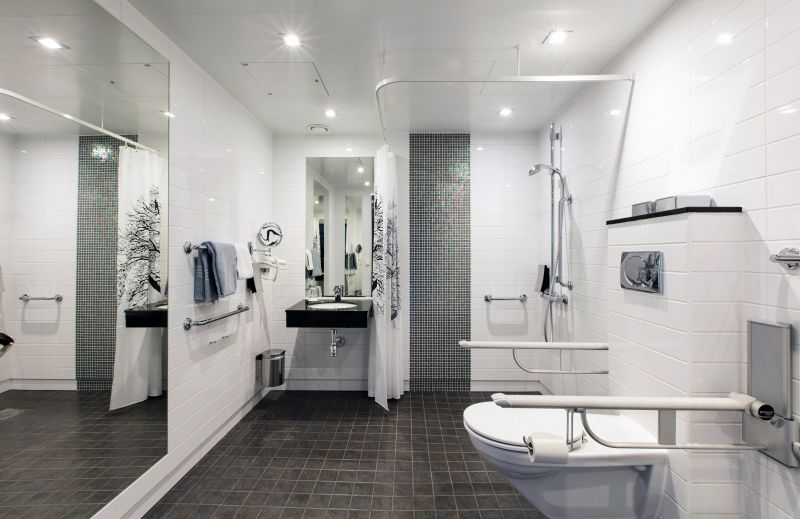
Disability remodeling services are often needed for everyday situations where property owners want to improve accessibility and functionality within their homes. This can include modifications like installing ramps, widening doorways, or adding grab bars in bathrooms to make spaces easier to navigate. Local contractors who specialize in these types of projects can help create safer, more comfortable living environments for individuals with mobility challenges or other accessibility needs.
Many property owners seek disability remodeling work to address changes in their family’s circumstances or to prepare their homes for aging in place. Whether it's making a bathroom more accessible or creating an entryway that accommodates a wheelchair, local service providers can handle a variety of modifications. These improvements can help ensure that homes remain practical and welcoming for everyone, especially when everyday tasks become more difficult.
What types of disability remodeling services are available? Local contractors offer a range of services including wheelchair ramps, bathroom modifications, stair lifts, and accessible kitchen upgrades to accommodate various mobility needs.
How can disability remodeling improve safety at home? Service providers can install features like grab bars, non-slip flooring, and widened doorways to enhance safety and accessibility for individuals with mobility challenges.
Are there modifications suitable for different types of disabilities? Yes, local service providers can customize remodeling solutions to address specific needs, whether related to mobility, vision, or other physical limitations.
What should be considered when planning disability remodeling projects? It's important to evaluate current living spaces, accessibility requirements, and any future needs to ensure the remodel effectively improves independence and safety.
How do I find qualified local contractors for disability remodeling? This website helps connect with local service providers experienced in disability modifications, allowing comparison and selection based on specific project needs.
Bathroom Accessibility Upgrades - Enhance safety and independence by installing walk-in showers, grab bars, or raised toilets with the help of local contractors.
Main Floor Remodels - Create more accessible living spaces by adjusting doorways, hallways, or flooring to accommodate mobility aids.
Kitchen Modifications - Improve usability with lowered countertops, accessible appliances, or open layouts, all handled by local service providers.
Entryway Improvements - Make entrances more accessible through ramps, wider doorways, or threshold modifications with assistance from nearby contractors.
If you are thinking about Disability Remodeling Service for a property, this guide is meant to help you understand the work, the typical project types, and how different options might fit your plans.
When you are ready, you can use the quote form on this page to share a few details about your project. From there, local pros can review the basics and respond with options that match what you have in mind.